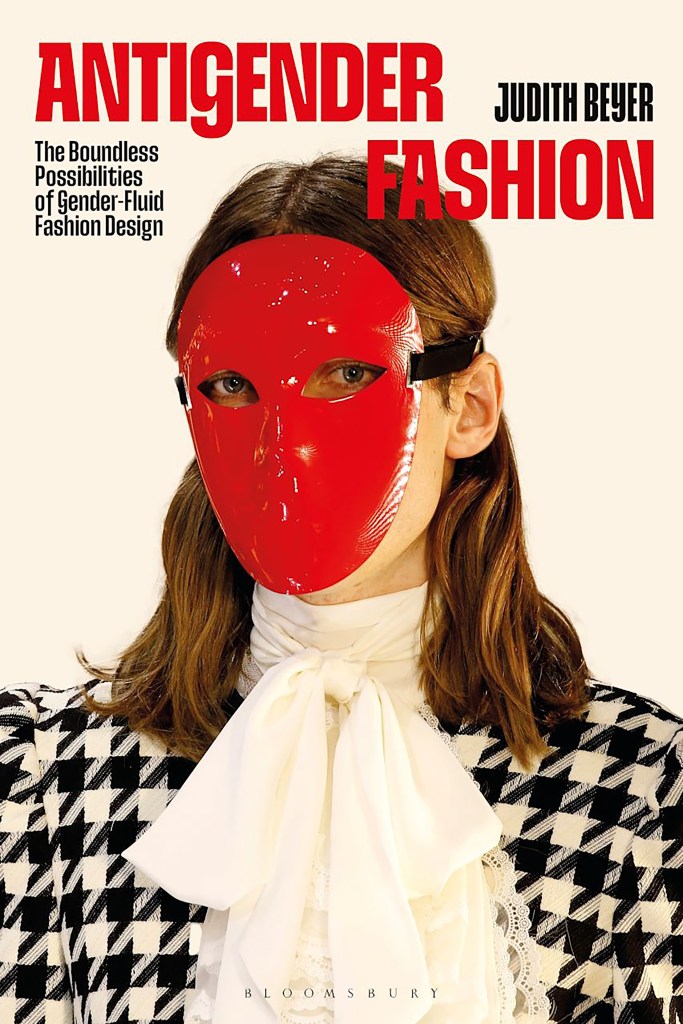
In this rich examination of gender-fluidity in contemporary fashion design, Judith Beyer develops an emerging new theoretical framework for understanding how fashion can blur and challenge gender boundaries: antigender fashion. Order and read now!
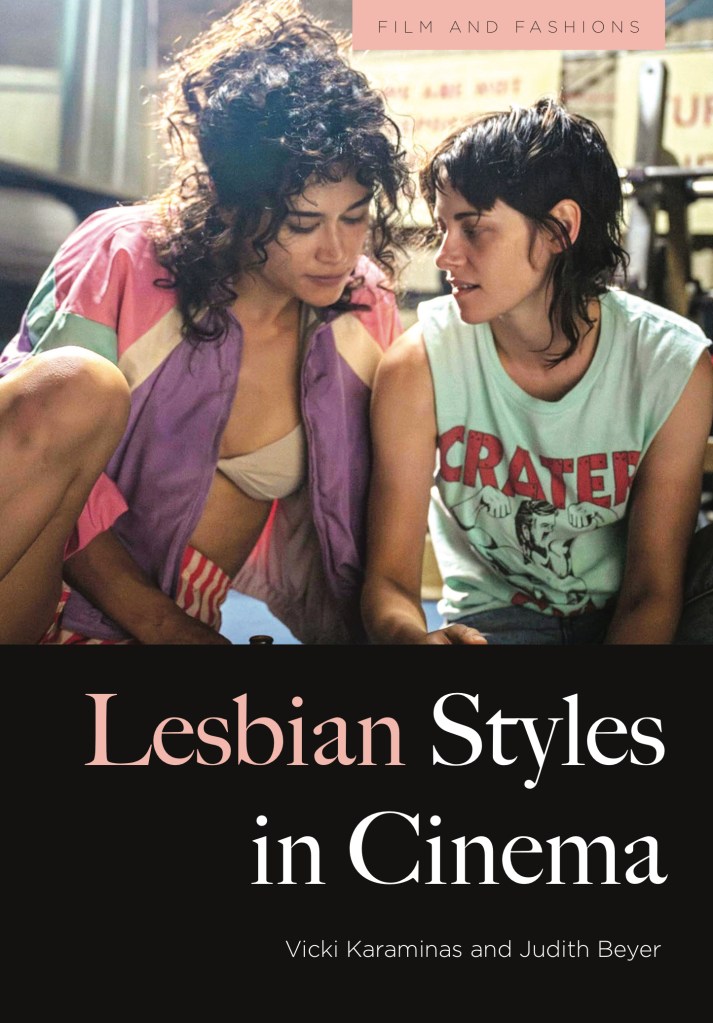
Lesbian Styles in Cinema examines how dress constructs lesbian characters as a form of representation and visual communication in film; unpacking role of sartorial codes in producing narratives of lesbian subjectivities, representation and desire. Order now!
Gender fluidity plays an increasing role in today’s fashion industry. This study focuses on the incorporation of the notion of gender fluidity in Gucci’s ‘Tian’ Suit from the Spring/Summer 2016 menswear collection. Drawing from gender theory and philosophy, this study investigates how the Suit might challenge contemporary gender norms and their representation. Taking on an object-based study deriving from material culture, the study proposes three means to investigate a material object under restrictions and through which the material aspect can be included without touching the actual garment or artefact. The article aims to investigate the Gucci ‘Tian’ Suit regarding the concept of gender fluidity in order to shed light on the ways masculinities and gender fluidity are manifested in contemporary fashion, society and culture.
KEYWORDS: gender fluidity, multiplicity, object-based study, masculinities, orientalism, fashion, gender performativity
This article focuses on the incorporation of non-binary fashion in contemporary fashion design. Expanding on what Vicki Karaminas and Justine Taylor coined antigender fashion, this study investigates how contemporary fashion design can challenge and critique norms of gender identities and their representation. Taking different forms of anti-fashion — which opposes and challenges fashion — as a blueprint, the article proposes antigender fashion as an active tool in opposing, confronting and challenging gender binaries…
KEYWORDS: Antigender Fashion; Gender Fluidity; Masculinities; JW Anderson; British Fashion
After his appointment in 2015 as creative director at Gucci, Alessandro Michele broke with the brand’s look of sleek sophistication and introduced an eccentric, maximalist, and ultimately queer approach to fashion. Taking the campaign as a case study, the article aims to investigate the shifting norms of masculinities in Michele’s designs. Following a visual cultural analysis as proposed by Martin Lister and Liz Wells, this article aims to consider Gucci’s Spring/Summer 2016 campaign in a cultural and societal context. Focusing on the transgressive potential of gender-fluid fashion, the article draws on a theoretical framework deriving from queer theory and gender studies. The article interrogates how masculinities are constituted and renegotiated in contemporary Western culture and highlights the relevance of fashion in constituting and tackling issues of masculinity in contemporary times of change.
KEYWORDS: fashion, gender fluidity, Gucci, masculinities, queer
The JW Anderson patchwork cardigan from the spring/summer 2020 menswear collection has become an iconic fashion item during the COVID-19 pandemic. Worn by Harry Styles, the cardigan inspired a worldwide TikTok trend of crafting and DIY-ing a replica at home with over 90 million views to date. In response, JW Anderson published the pattern online and the V&A museum acquired the knitwear for its permanent collection. One year later, Olympic gold medallist Tom Daley was pictured knitting in the stands at the 2020 Olympic games – a craft he had picked up during the lockdowns. …
KEYWORDS: gender fluidity, new masculinity, slow fashion, craftcore, pandemic fashion, embroidery
 Judith Beyer